Getting the perfect burst fade haircut can completely transform your look, combining shorter hair on the sides and back with longer hair on the top for a high-contrast and edgy style that stands out. Embark on this exciting, modern journey today and let your barber craft a clean-cut, bold statement that turns heads. Elevate your style today and embrace a new and confident look.
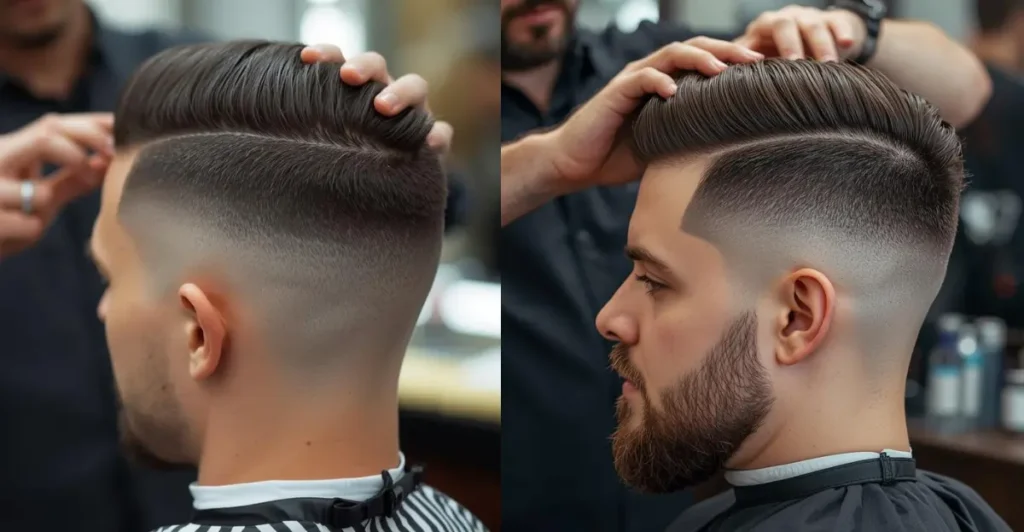
Table of Contents
Length on Top
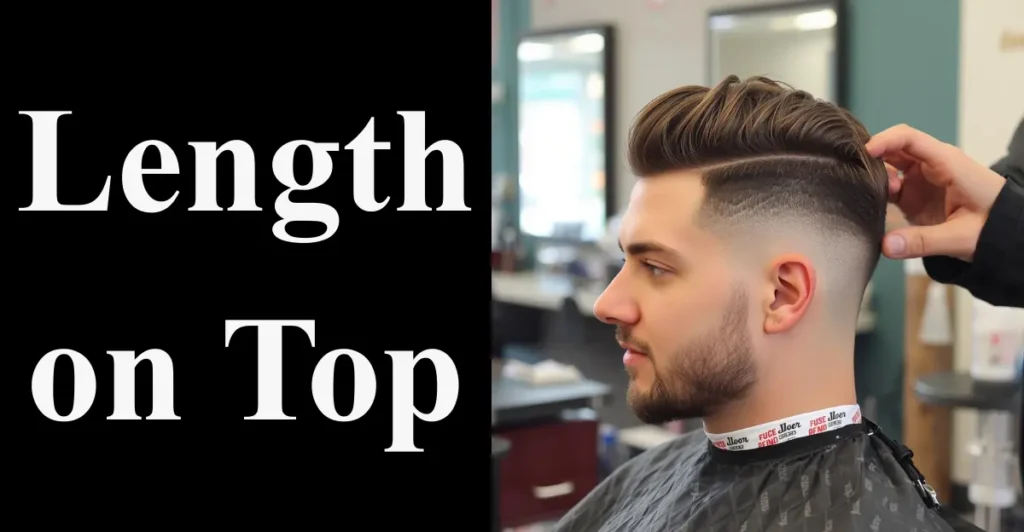
When considering length on top for a burst fade, envisioning your ideal style is paramount to conveying your desire to your stylist. The longer hair on top, usually a couple of inches, works best to reveal the versatility of textured layers that cascade naturally while the sides remain tapered and trimmed. This concise contrast between shorter edges around the ear and longer hair above helps accentuate the dramatic effect toward the back where hair can be tightly shaped or stacked subtly beneath the crown for a seamless contour.
It’s essential to note the necessity of a precise cut in a specific way to complement the sides, ensuring the burst fade appears balanced and polished.
From my experience, keeping top length at the right proportion makes all the difference in achieving a dramatic yet wearable look, allowing the textured layers to flow naturally while maintaining a clean-cut fade on the sides.
The Fade
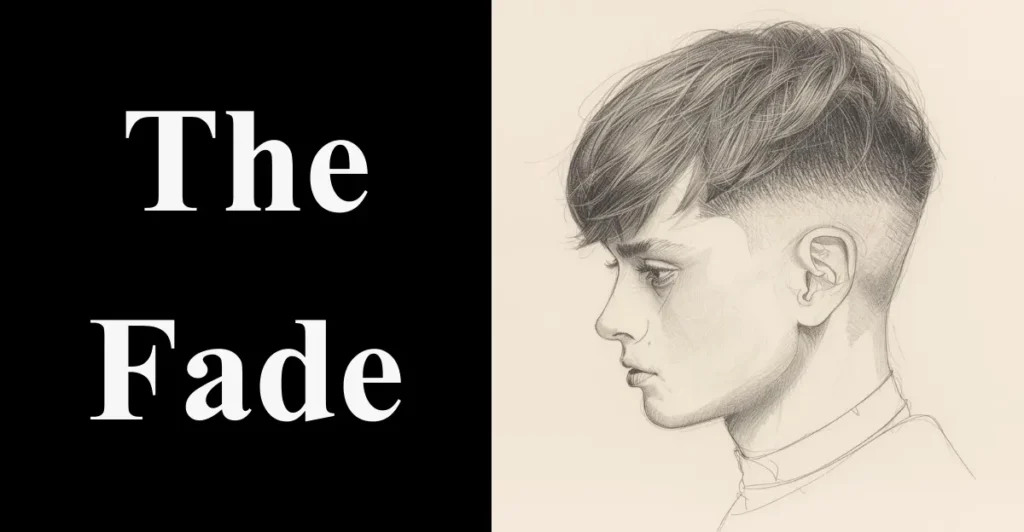
To achieve the perfect burst fade, it’s essential to clearly communicate your wishes to your barber, specifying the fade style, transition, and blade length from the bottom up. A high-contrast burst fade gradually tapers longer hair on top while higher on the head, often extending halfway around the back, blurring into a skin fade or #00000 at the base.
A sharp delineation can emphasize height, but it’s crucial that the fade connects seamlessly with the longer hair, ensuring the top doesn’t end abruptly. The fade should artistically taper around the sides and back, maintaining a consistent and polished look from every angle.
From my experience, paying attention to the fade’s height and smooth transition ensures a high-contrast, bold burst fade that looks modern and clean-cut, making the longer hair on top truly stand out.
The Hard Part
Adding a hard part is a great way of accentuating a burst fade haircut, as a shaved line can lend extra emphasis and definition to the overall style. It’s important to inform your barber exactly where you want it placed, often at the front corner or temple, stretching across one side of the head. When strategically located, the shaved hair can work symmetrically with the fade on both sides, enhancing the burst fade’s structured yet edgy appearance.
From my experience, a well-placed hard part can completely transform a burst fade, making the fade sharper and the haircut appear more polished while highlighting the top’s longer hair and texture.
The Edge Up
An edge up provides the impeccable finish that completes a burst fade look, making clean lines along the hairline non-negotiable for a polished appearance. Expressing your need clearly when asking the barber ensures the edge refines the forehead, graces the ears and defines the neckline exactly as you want.
The barber meticulously follows your intention, outlining and framing the entire hairline with crisp precision, whether straight across, subtly arched or distinctly angular, giving a sharp and harmonious finish that complements the burst fade.
From my experience, specifying the exact shape and showing photos makes a huge difference, as a properly executed edge-up can elevate the haircut, highlighting the fade while keeping the overall look clean, modern and stylish.
The Beard (If Applicable)
When you sport a beard, it’s crucial to mention it to your barber so it can align with your burst fade hairstyle for a coherent appearance. You can request the beard to be tapered and blend smoothly with the haircut, keeping it trimmed with clearly defined lines that complement your edgy haircut. Sharing beard photos provides visual guidance, helping the barber create a lined-up cheekline, jawline and neckline with precision, ensuring your beard enhances the overall sharpness of the burst fade.
From my experience, coordinating the beard with the fade elevates the entire look, making the haircut appear intentional and polished, while maintaining a bold and stylish presence.
Maintenance Tips
Once your barber crafts your desired new hairstyle, sustaining its sharpness becomes key to keeping your burst fade looking fresh. Simple tips to maintain the look include regular trimming of the sides and back and using quality products to preserve the fade’s definition.
1. Products
Using the right products is essential, so inquire about the best options to keep your style intact. Waxes, pomades and matte pastes work wonders on longer hair at the top, allowing texture and volume to last throughout the day.
2. Routine
Establish a routine to have your fade retouched and the top recut every 2-4 weeks. This standard practice helps maintain the crispness of your burst fade and keeps the haircut looking sharp and polished.
3. Details
Pay attention to the details by asking your barber for examples and which products they recommend. Follow styling tips tailored specifically to you to preserve the fade’s structure and enhance the overall look.
Leverage the chances of walking away with the perfect burst fade by bringing photos and communicating clearly with your barber. When you anticipate the result and get a custom fade haircut that perfectly suits you, consistency ensures your well-maintained fades stand out in the crowd.
From my experience, taking the time to follow these maintenance tips and using the right products keeps my burst fade looking fresh and sharp for weeks, while small adjustments during each routine visit help preserve the high-contrast, clean-cut look that makes it truly stand out.
Know which fade you want
When asking for a specific fade, it’s important to prevent getting the wrong type by seeing the style and clearly explaining it to your barber. Lay out what you’ve admired in detail to make it easier for them to understand, ensuring a smooth transition and a clean, modern look.
Being conscious of the difference between high, mid, and low fades helps achieve the ideal style: a High Fade starts higher on the head for strong contrast with longer hair on top; a Mid Fade is more balanced, cut so it sits comfortably between the top and the sides; a Low Fade reaches about half an inch above the ear, creating a perfect, understated, and versatile look that subtly decreases hair length along the sides.
From my experience, knowing exactly which fade you want before sitting in the chair makes the cut precise and effortless, allowing the burst fade to look bold, balanced and perfectly suited to your overall style.
Burst vs. Regular Fade Haircut
When seated in the barber’s chair, it’s helpful to articulate the distinction between a burst fade and a regular fade. The burst fade tapers around the back and areas above the ears, leaving longer hair on top while encompassing the whole perimeter of the head, tapered closely to the scalp, including the nape. Using words to paint a picture or referencing hairstyles like Daddy Yankee can make the concept clear.
A traditional fade cut is typically shorter across the nape/back, like the style of Patrick Mahomes, whereas the burst cut retains more length in the same area, giving a fuller, high-contrast visual. Showing a comparison picture can help the barber understand the exact look you’re aiming for.
From my experience, using visual examples alongside precise words ensures the burst fade comes out exactly as intended, highlighting the contrast and maintaining a modern and polished style distinct from a regular fade.
Can a Burst Fade Haircut be Confused With a Mullet?
It’s important to clarify with your barber the distinction between a burst fade and a mullet to avoid any mix-up. A mullet features a cut with short hair at the front and top, while longer strands remain at the back. The sides are usually less structured, unlike a burst fade which keeps the sides closely tapered, embracing the fade style around the ears.
The key difference lies in the approach: a burst fade involves precise clippers to create a tapered effect, whereas a mullet is a deliberate variation that combines multiple styles, sometimes referred to as a burst mullet haircut.
From my experience, taking time to explain the exact style and showing reference photos ensures the barber executes a clean, high-contrast burst fade that avoids looking like a mullet while keeping the fade sharp and modern.
Conclusion
Achieving the perfect burst fade haircut is all about clear communication, precision, and attention to detail. From choosing the right fade to coordinating the top length, edge up and beard, every element plays a role in creating a bold, modern look. By following the right maintenance tips and working closely with your barber, you can ensure your fade haircut stays sharp and stylish. Embrace this exciting, new style and make a confident fashion statement that truly stands out.
FAQs
What to Ask for When You Want a Burst Fade?
When requesting a burst fade, be specific about the length on top and how short you want the sides and back. Mention whether you prefer a high, mid or low fade and if you want additional details like a hard part or edge up. Bringing reference photos can help your barber understand the exact style, ensuring a high-contrast and modern look that suits your face shape and personal style.
How to Explain a Burst Fade to a Barber?
To explain a burst fade, describe it as a fade that tapers around the back and sides, leaving longer hair on top for a bold, textured look. Highlight that the fade curves around the ears and blends smoothly into the nape without abrupt lines. Using visual references like photos of celebrities or styles you admire helps your barber understand the shape and height of the fade and ensures the final haircut is precise.